Shemal Pic __link__ - Fat
Historically, beauty standards have varied significantly across cultures and time periods. What was considered beautiful in ancient civilizations, such as full-figured women in many African and Asian cultures, contrasts sharply with the ultra-thin ideal prevalent in many Western societies today. The media, through advertising, fashion magazines, and more recently social media, has been a powerful force in disseminating and enforcing these standards.
The widespread use of social media has led to an unprecedented level of exposure to images of others, often presenting unrealistic and unattainable beauty standards. For many individuals, particularly those who are already vulnerable, this can lead to feelings of shame and inadequacy. The phenomenon of "fat shaming" or body shaming, in general, has become a pressing concern, with pictures often being used as a tool to perpetuate negative attitudes towards those who do not conform to societal beauty norms.
: Foster a culture of support and kindness. Encouraging positive body image and self-esteem can help mitigate the effects of harmful content.
The use of pictures in perpetuating body shame can take many forms. For instance, "before and after" photos often used in weight loss campaigns can be damaging, as they imply that a person's worth is directly tied to their weight or body shape. Similarly, the proliferation of "memes" and jokes about overweight or obese individuals can contribute to a culture of ridicule and shame.
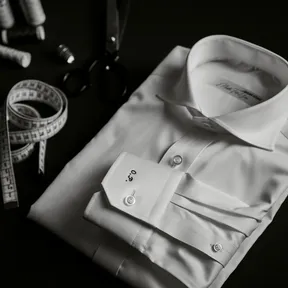 About our dress shirts
 About our suits