Control
Display unique content on each display
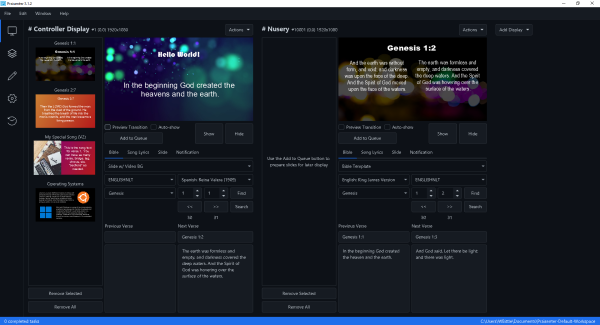
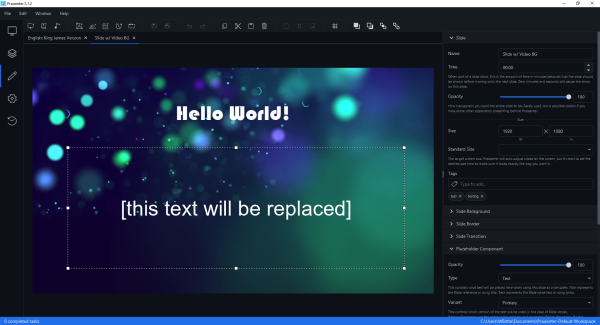
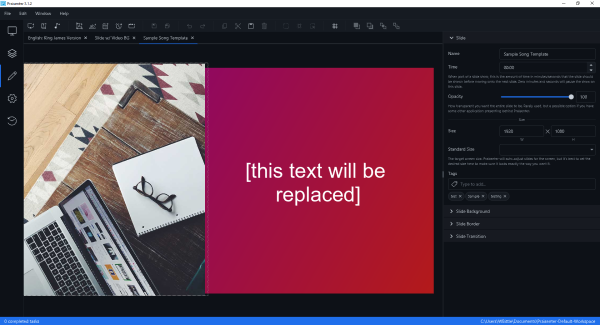
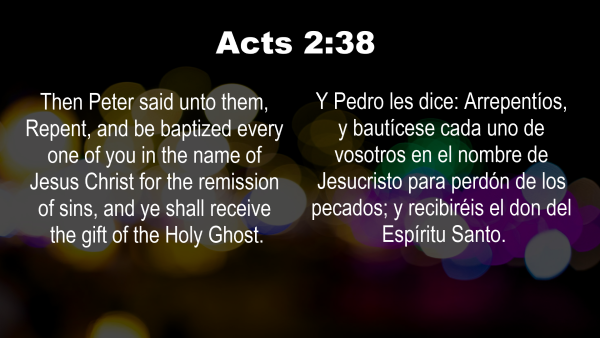
Praisenter allows you to send content to each display independently. The number of displays is dependent on the number of video outputs your system supports.
Praisenter
Specialized presentation software tailored for churches, enabling seamless and engaging presentations for worship services and sermons
Feature rich
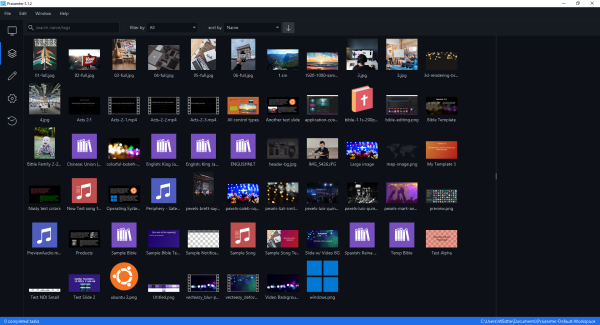
Praisenter is packed with features that make presenting content easy and manageable.
Open source
Praisenter is an open source project built by others that share your passion. This means that you can directly contribute to make Praisenter better.
Free
100% free for any use. No registration or sign-up. No trial period or limited feature set. Just download and enjoy!
: The film relies heavily on established archetypes—the mentor, the protector, and the authority figure—to establish stakes before the explicit content begins.
Overview "Father Figure 8 — Sweet Sinner" (2015 WEBRip) presents itself as an intimate, charged piece that invites reflection on boundaries, power, and the ethics of caregiving relationships. Whether encountered as a cinematic work, a piece of online media, or an artifact circulating in niche communities, it prompts viewers to examine how narratives of affection and authority can blur into exploitation, and how cultural contexts shape our responses.
For those interested in mature themes, complex narratives, or specific adult content:
Praisenter is available on the Windows, Snap, and macOS app stores. Using the app store is the safest way to ensure you get an official version of Praisenter. Praisenter can also be downloaded from the project site under the Releases section, but these builds require more steps to install properly. If you need help with manual install steps, see this article. Praisenter is open source, so if none of the options above work for you, you can always try building Praisenter yourself by cloning the GitHub repo.
Windows 10 x64 or higher

Ubuntu 22.04 x64 or higher

macOS Catalina (10.15) or higher
: The film relies heavily on established archetypes—the mentor, the protector, and the authority figure—to establish stakes before the explicit content begins.
Overview "Father Figure 8 — Sweet Sinner" (2015 WEBRip) presents itself as an intimate, charged piece that invites reflection on boundaries, power, and the ethics of caregiving relationships. Whether encountered as a cinematic work, a piece of online media, or an artifact circulating in niche communities, it prompts viewers to examine how narratives of affection and authority can blur into exploitation, and how cultural contexts shape our responses.
For those interested in mature themes, complex narratives, or specific adult content: