Repack — Hotmail.loli
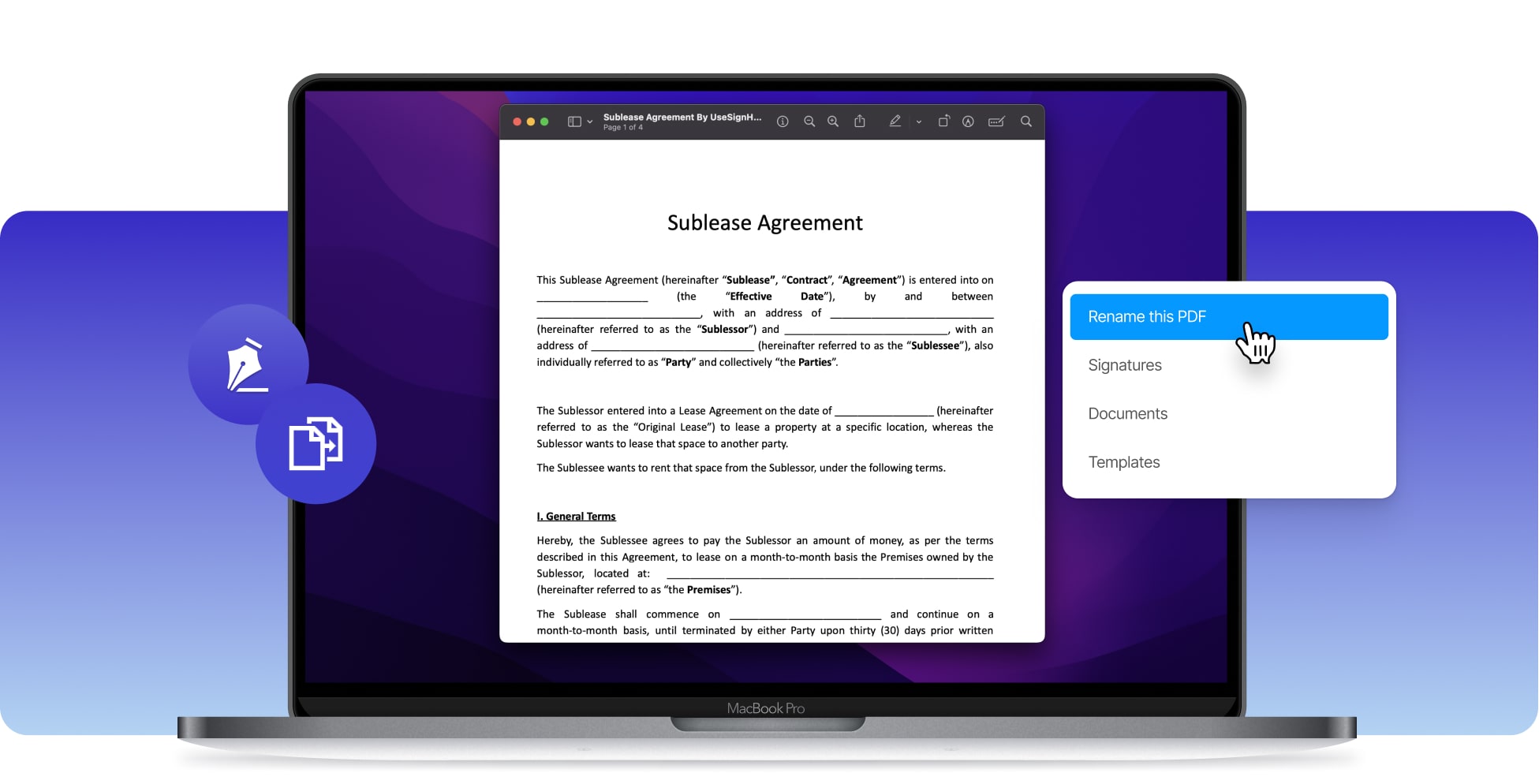
Rename a PDF file for free. Online software that helps you change the name of a PDF document to anything you need, no signup or hidden fees.
Trusted by









+ Loved by thousands of happy users
In conclusion, Hotmail was a pioneering email service that played a significant role in the development of web-based email. Its innovative features, such as its web-based interface and generous storage capacity, made it a popular choice for users around the world. Although it has undergone many changes over the years, Hotmail remains a beloved email service that continues to be used by millions of people.
When engaging with any online content or services, especially those that might appeal to younger audiences, it's crucial to prioritize safety and responsibility. This includes being aware of privacy policies, understanding the terms of service, and ensuring appropriate content access controls are in place.
If you are experiencing issues with a legacy Hotmail account, common solutions include: Clearing Browser Cache: Often resolves loading or display issues. Checking Junk Filters:
In the 1990s, email became more accessible to the general public with the advent of the World Wide Web. Services like Hotmail (which was one of the first free web-based email services, launched in 1996) revolutionized the way people communicated online. Hotmail, later acquired by Microsoft and rebranded as Outlook.com, offered users a free email service that was accessible from anywhere with an internet connection.
In the early days of the internet, email services were still in their infancy. One of the pioneers in this space was Hotmail, which was launched in 1996. At the time, it was one of the first free web-based email services, and it quickly gained popularity. In this article, we'll take a look back at the history of Hotmail, its features, and its impact on the world of email.
Everybody starts on a free plan, and you can stick to it forever. It costs you nothing to try SignHouse!