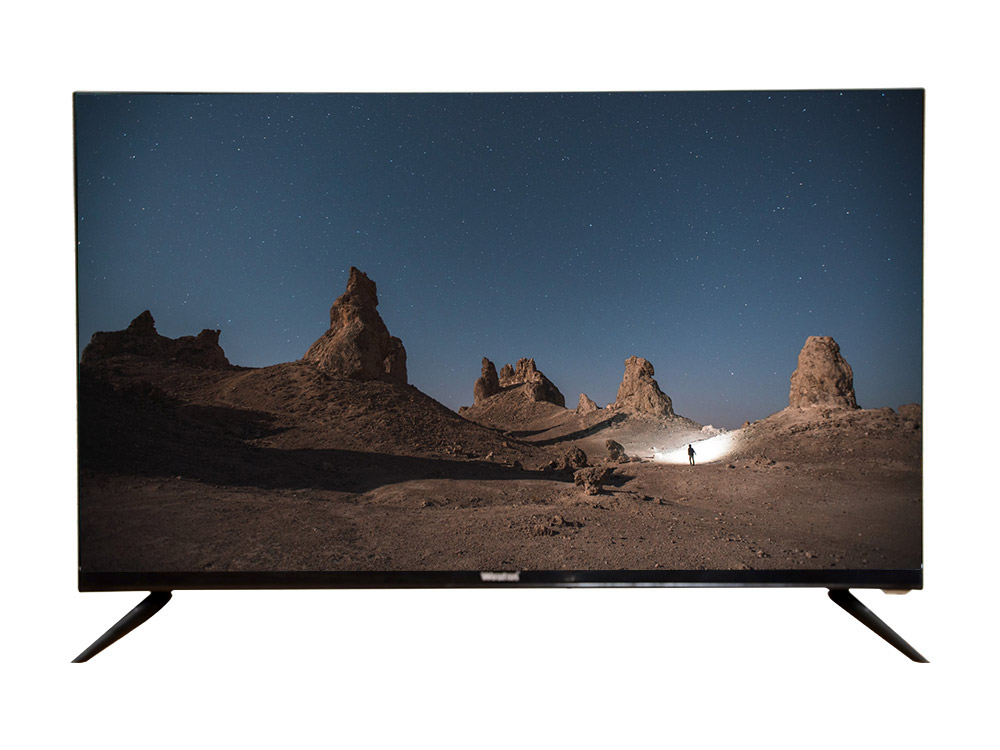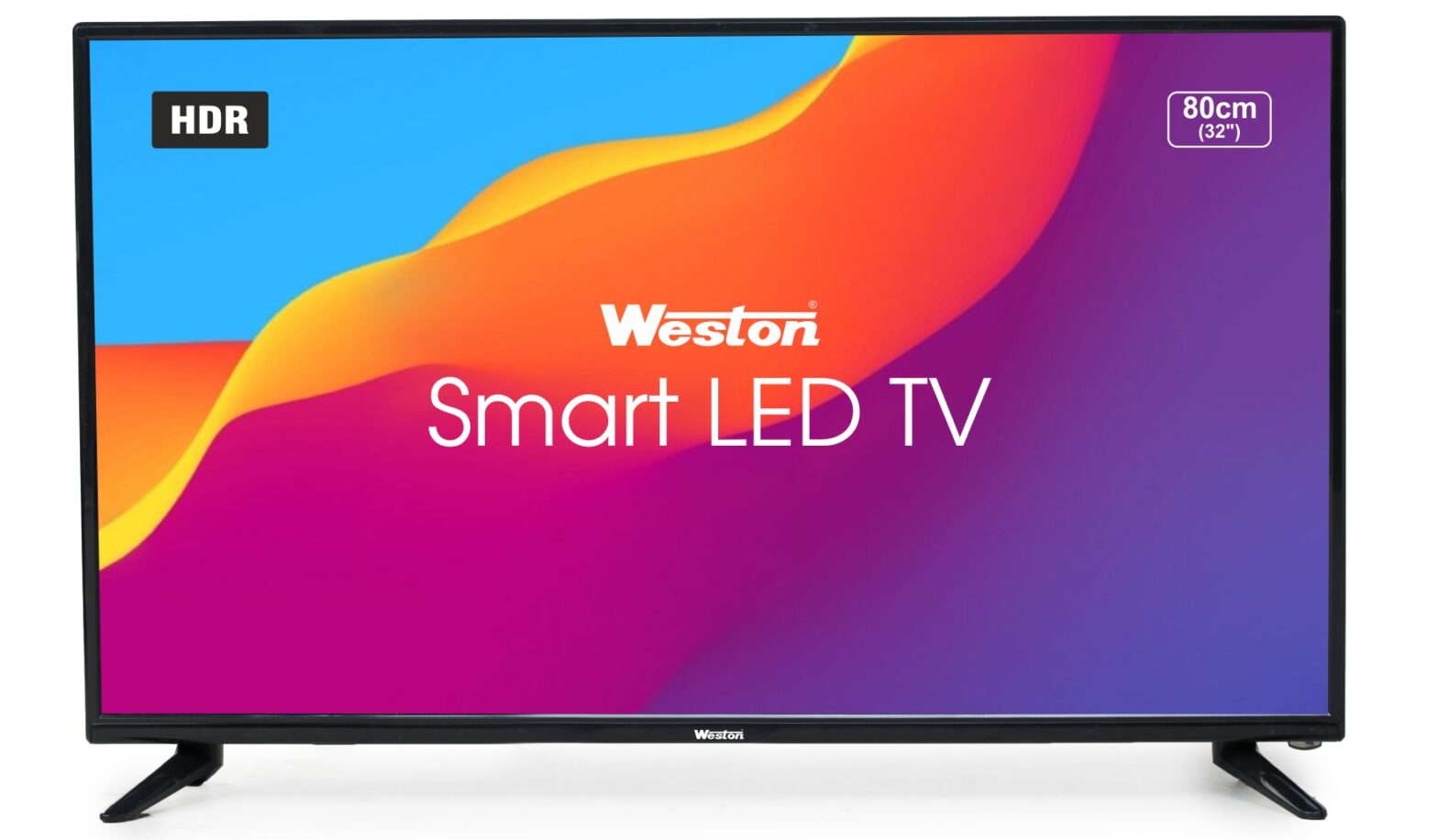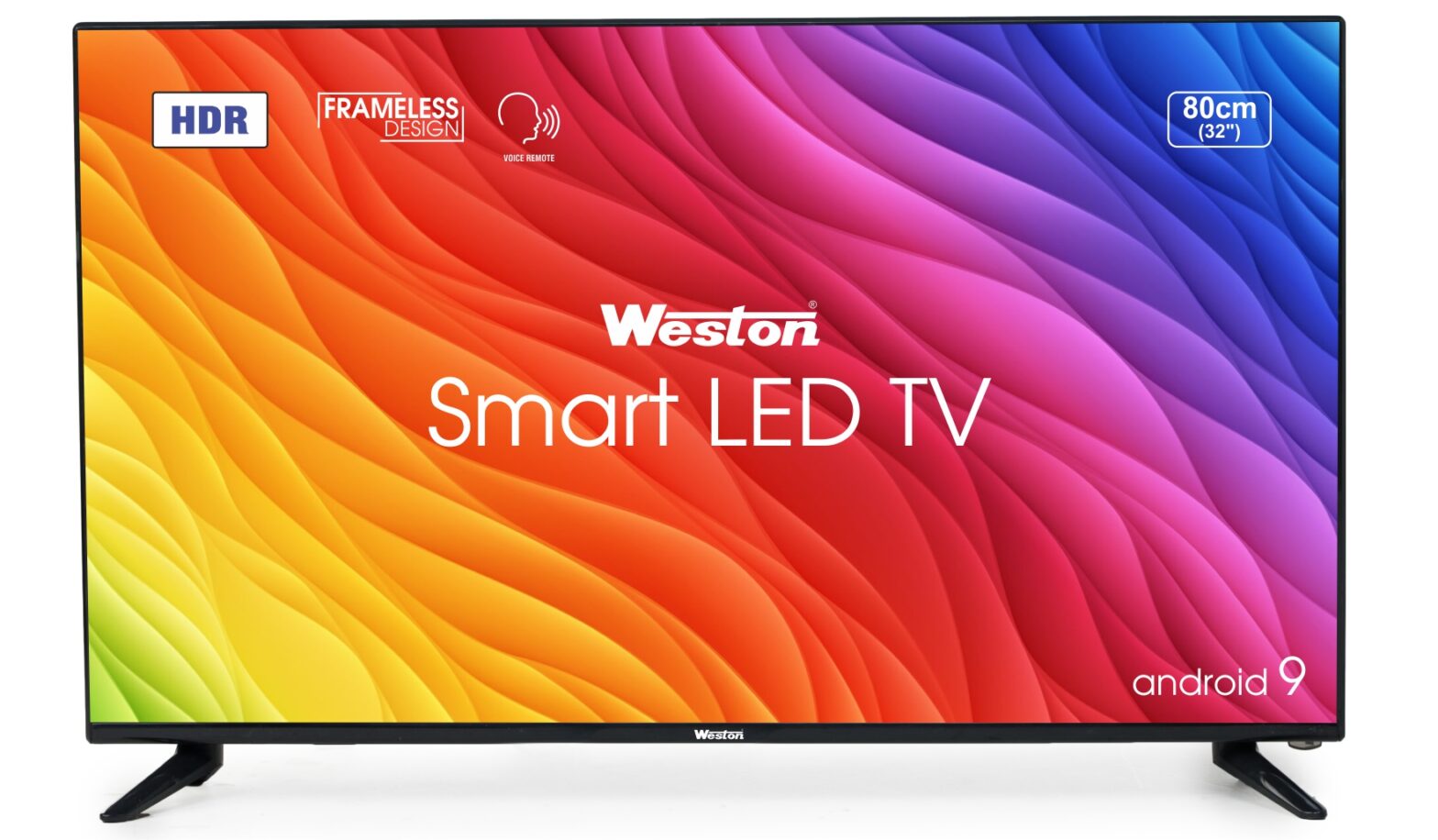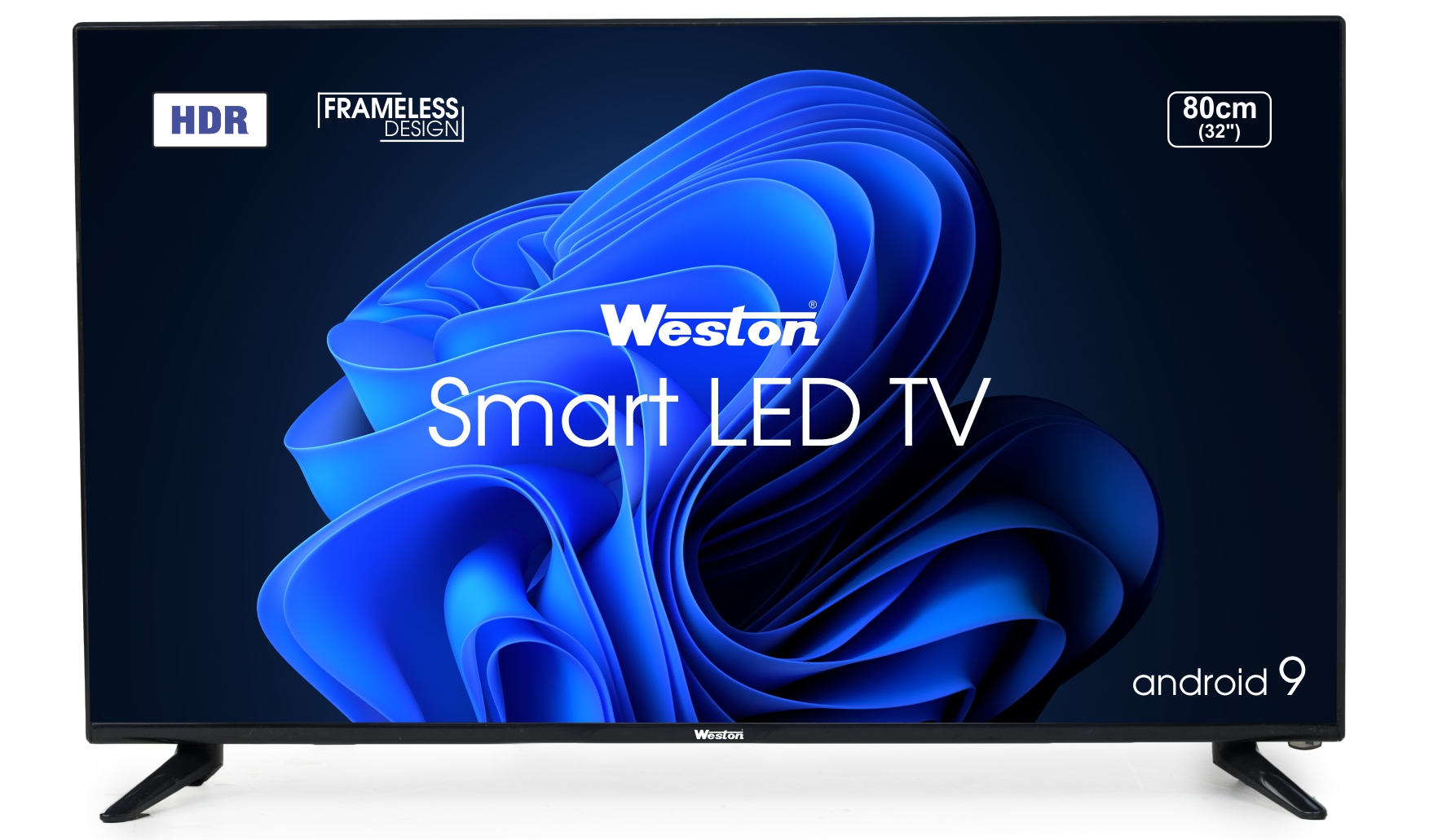
LED TV – 32” Smart
- Model No.: T5000 EF8
- Bezel: With & without both
- Category: Smart
- Video Mode: HD Ready
- Panel Grade: A+
- Remote: Yes
- Year of Launch: 2022
Proteus 7.8, particularly in its "portable" form, refers to an older version of the Proteus Design Suite by Labcenter Electronics. It is a legendary tool in the electronics community for schematic capture , PCB layout, and its standout feature: Virtual System Modelling (VSM) , which allows real-time microcontroller simulation . Review: Proteus 7.8 (Legacy Version) The Core Appeal Real-Time Simulation : Unlike many EDA tools that only do PCB layout, Proteus 7.8 allows you to run firmware (hex files) on virtual microcontrollers (PIC, AVR, 8051) and interact with components like switches, LEDs, and LCDs in a live environment. Low Resource Usage : As a legacy version, 7.8 is incredibly lightweight. It runs smoothly on older hardware or modest laptops that might struggle with modern 64-bit software. Integrated Workflow : The transition from ISIS (Schematic) to ARES (PCB Layout) is seamless, though the interface in 7.8 lacks the modernized "Project-based" unified framework found in Proteus 8.x. Pros Simplicity : The interface is straightforward for students and hobbyists. Finding components in the library is fast using the 'P' shortcut. Stability : Version 7.8 SP2 is widely considered one of the most stable builds of the older generation. Co-Simulation : It bridges the gap between hardware and software, letting you debug code without building a physical prototype. Cons Outdated Libraries : You will miss modern components, integrated web searches for 15 million+ parts, and 3D STEP file imports that are standard in Proteus 8.x and 9.x. Interface Clutter : It uses older window-based navigation rather than the dockable widgets and high-DPI support of newer versions. No Official Support : Labcenter focuses on the current 64-bit platform; 7.8 does not benefit from modern bug fixes or theming options . A Note on "Portable" Versions Officially, Labcenter only recently introduced a dedicated portable install mode in version 9. Many "portable" 7.8 versions found online are unofficial repackages. While convenient for running from a USB drive, they often lack registry entries required for certain debugging drivers and may pose security risks. 8 to the more modern Proteus 8 ? Learn Proteus Basic in One Video
Proteus 7.8 is a streamlined, non-install version of the Proteus Design Suite , a professional electronic design automation (EDA) tool used for schematic capture SPICE circuit simulation PCB layout Because it is "portable," it can run directly from a USB drive or a folder without requiring a traditional installation process, making it ideal for students or engineers working across different machines. Core Modules Proteus 7.8 is primarily composed of two main sub-programs: ISIS (Intelligent Schematic Input System) : The environment used for drawing circuit diagrams and performing real-time simulations. ARES (Advanced Routing and Editing Software) : The module used for designing the physical PCB layout after the schematic is completed. Википедия Key Features Mixed-Mode SPICE Simulation : Allows you to simulate both analog and digital components in the same circuit. Microcontroller Simulation (VSM) : You can upload hex code to virtual microcontrollers (like PIC, AVR, or 8051) to test firmware without physical hardware. Extensive Component Library : Includes thousands of pre-supplied parts like resistors, transistors, and integrated circuits. 3D Visualization : A feature in ARES that lets you view a 3D model of your finished PCB to check for component clearance issues. Википедия System Requirements (Legacy Version) While modern versions of Proteus (like 8.13) require 64-bit Windows and 8GB+ RAM, the older is much lighter: Application Framework - Proteus
Proteus 7.8 remains a nostalgic yet highly functional milestone for electronics enthusiasts. As one of the first versions to provide stable support for , it became a staple for students and engineers who needed a reliable environment for schematic capture and microcontroller simulation. Here is a blog post highlighting why this version—especially in its portable format—is still a "solid" choice for your toolkit. Why Proteus 7.8 is the Ultimate "Old School" Powerhouse In an era of cloud-based EDA (Electronic Design Automation) tools, there is something uniquely satisfying about a version of Proteus that just . Released by Labcenter Electronics , Proteus 7.8 bridged the gap between legacy hardware and modern operating systems. 1. The Power of Portability A "portable" version of Proteus 7.8 is essentially a "plug-and-play" tool. No Registry Bloat : Since it doesn't require a full installation, it won't clutter your system's registry. : You can carry your entire lab—including your custom component libraries and active projects—on a single thumb drive. Instant Access : Perfect for university labs or shared workstations where you may not have administrator rights to install new software. 2. Core Modules: ISIS & ARES Proteus 7.8 is built on two legendary pillars that redefined rapid prototyping: ISIS (Intelligent Schematic Input System) : This is where the magic of real-time simulation happens. You can draw your circuit and immediately see LEDs blink or LCDs display text using its VSM (Virtual System Modelling) ARES (Advanced Routing and Editing Software) : Once your simulation is verified, you can flip directly to ARES to design your professional PCB layout with shape-based autorouting. 3. Broad Microcontroller Support Despite its age, version 7.8 provides robust simulation for a wide range of processors, including: Proteus: PCB Design and Circuit Simulator Software
Imagine carrying an entire electronics laboratory in your pocket. Portable Proteus 7.8 represents a specific, "lightweight" era of the Proteus Design Suite , a legendary tool used by engineers to bridge the gap between a messy breadboard and a professional circuit board. Why Version 7.8 Still Has a Cult Following While the software has evolved into much more complex versions like Proteus 8.13 , the 7.8 edition remains a nostalgic favorite for students and hobbyists due to its "portable" nature—meaning it can often run directly from a USB drive without a heavy installation process. The "Crystal Ball" of Electronics: Its primary magic is ISIS (Intelligent Schematic Input System) . It doesn’t just draw lines; it simulates reality. You can place a virtual microcontroller , hit "Play," and watch LEDs blink or LCD screens display text in real-time, exactly as they would in the physical world. ARES: The Architect: Once your virtual circuit works, you flip a switch to , where those abstract lines turn into the physical copper traces of a Printed Circuit Board (PCB) The Ultimate "Oops" Protection: For beginners, it’s a lifesaver. You can "explode" a virtual capacitor or short-circuit a battery a thousand times without the smell of burnt plastic or the cost of replacing hardware. The Modern Reality Today, the creators at Labcenter Electronics have moved far beyond 7.8, offering advanced features like high-speed differential pair routing and cloud-based licensing for students . However, for many, Proteus 7.8 was the first place they saw their code "come to life" in a circuit, making it a foundational piece of digital history. Are you looking to troubleshoot a specific simulation error in 7.8, or are you interested in upgrading to a newer version portable proteus 7.8
Proteus 7.8 is a legacy version of the Proteus Design Suite , a powerful software package developed by Labcenter Electronics used for Electronic Design Automation (EDA). It is highly regarded for its ability to simulate circuits in real-time, particularly those involving microcontrollers. What is a "Portable" Version? A "portable" version of Proteus 7.8 refers to a modified installation that can run without being formally installed on a computer's operating system. No Registry Entry : It typically does not write to the Windows registry. USB-Ready : It can be stored and run directly from a USB flash drive or an external hard drive. Convenience : This is often used by students or engineers who need to work on different machines (e.g., in a lab or at home) without administrative rights to install software. Core Components of Proteus 7.8 ISIS (Intelligent Schematic Input System) : The primary environment for drawing circuit diagrams. Includes a vast library of components, from basic resistors to complex microprocessors. VSM (Virtual System Modelling) : Allows for real-time simulation of the entire schematic, including the interaction between software (firmware) and hardware. Supports popular microcontrollers like 8051 , PIC , AVR , and ARM . ARES (Advanced Routing and Editing Software) : Used for designing Printed Circuit Boards (PCBs) based on the ISIS schematic. Features include an Auto-Placer and Auto-Router to speed up the layout process. Key Features for Engineering Real-Time Simulation : You can interact with the circuit while it runs (e.g., pressing buttons, seeing LEDs blink, or reading virtual LCDs). Virtual Instruments : Includes built-in tools like an oscilloscope , logic analyzer , and voltmeters to debug circuits without physical hardware. 3D Visualization : After designing a PCB in ARES, you can view a 3D model of the board to check for component clearance and aesthetic design. Common Use Cases Education : Widely used in universities for teaching circuit theory and embedded systems because it reduces the need for expensive physical components. Rapid Prototyping : Engineers use it to verify code on a virtual microcontroller before burning it onto a real chip, saving time and preventing hardware damage. Important Note: While "portable" versions are popular for convenience, they are often unofficial. For stability and full feature access, users typically rely on official licenses from Labcenter Electronics.
Unlocking Electronics Simulation on the Go: The Complete Guide to Portable Proteus 7.8 Introduction: The Dream of a Lab in Your Pocket For decades, electronics engineers, hobbyists, and students have relied on Proteus Design Suite to simulate microcontroller circuits, design PCBs, and test embedded systems. Version 7.8, although not the latest release, holds a legendary status in the community. It is often cited as the last "lightweight" version before the software became increasingly resource-intensive. But what if you could run this powerful tool without installation? Enter Portable Proteus 7.8 —a modified, self-contained version of the software that runs directly from a USB stick, external hard drive, or cloud folder. This article explores everything you need to know about Portable Proteus 7.8: its features, benefits, legal caveats, installation tips, and why it remains a go-to solution for engineers on the move.
What Exactly is Proteus 7.8? Before diving into the "portable" aspect, let's recap what Proteus 7.8 offers. Released in the late 2000s, version 7.8 was a milestone. It included: Proteus 7
ISIS (Intelligent Schematic Input System): A robust schematic capture tool. ARES (Advanced Routing and Editing Software): For PCB layout design. VSM (Virtual System Modeling): Real-time simulation of microcontrollers (PIC, AVR, 8051, ARM). Peripheral libraries: LEDs, LCDs, keypads, sensors, and virtual instruments like oscilloscopes.
Unlike modern versions (8.x and 9.x) which require heavy .NET frameworks and constant online activations, version 7.8 was relatively lean. This makes it an ideal candidate for portabilization.
What Does "Portable" Mean in Software Terms? A portable application does not write to the Windows Registry or store configuration files in the AppData or Program Files folders. Instead: Low Resource Usage : As a legacy version, 7
All settings are saved in the same directory as the executable. No administrative privileges are required to run it. It leaves no trace on the host computer after closing.
Portable Proteus 7.8 takes the core simulation engine and schematics tools and packages them into a single folder that can be launched from removable media.