Formazione avanzata per gestire e valorizzare produzioni cinematografiche,
televisive e audiovisive, coniugando creatività e competenze manageriali
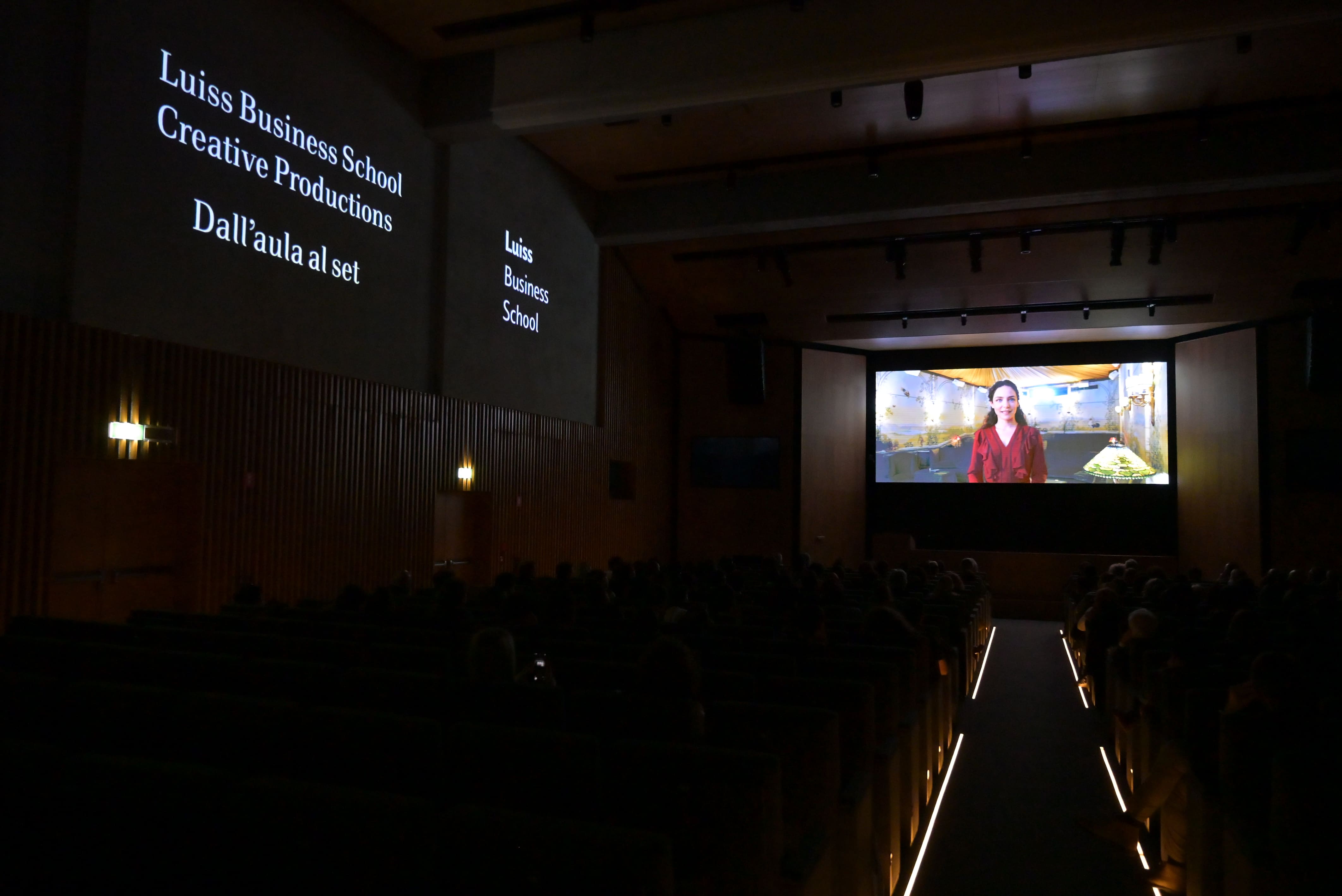
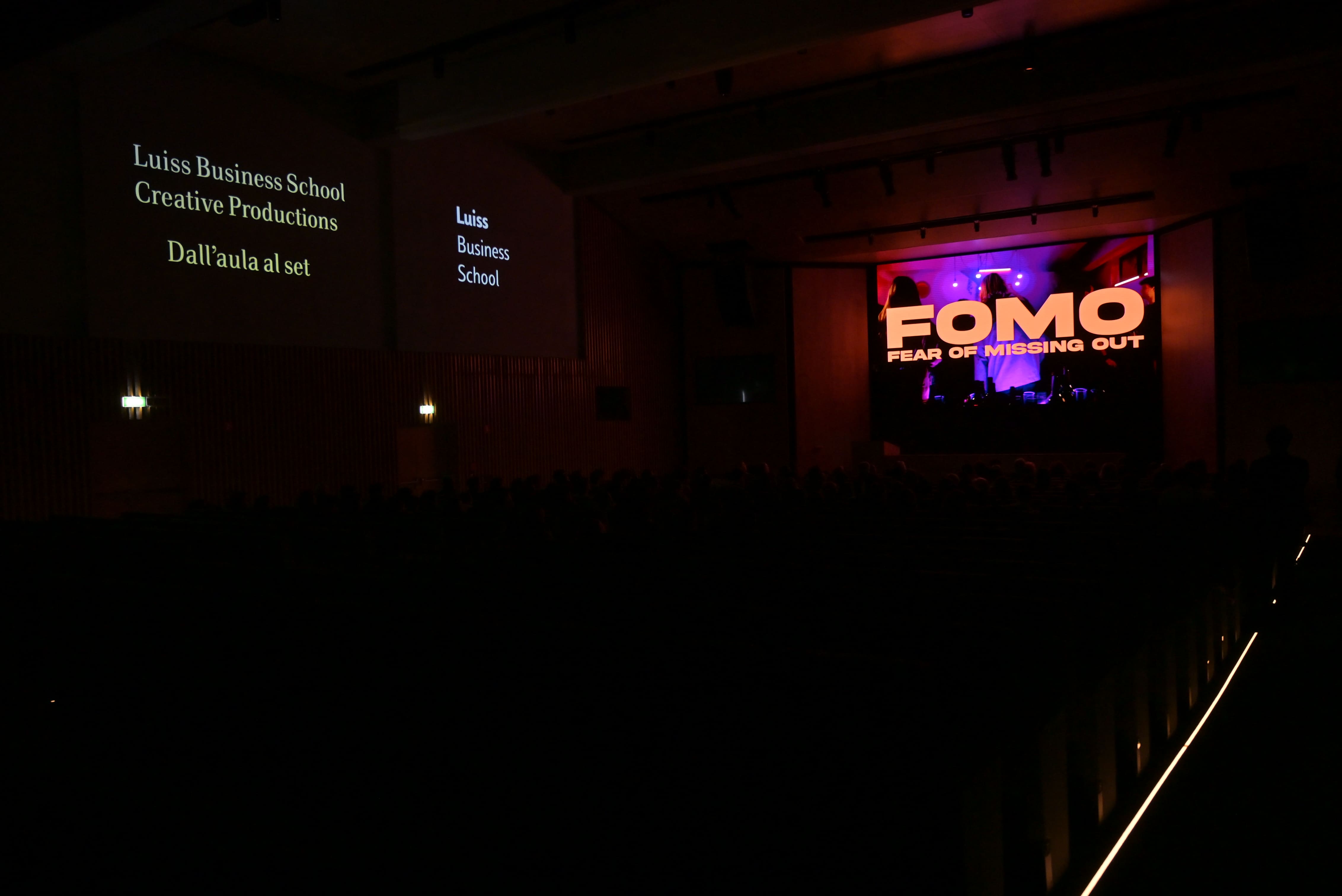
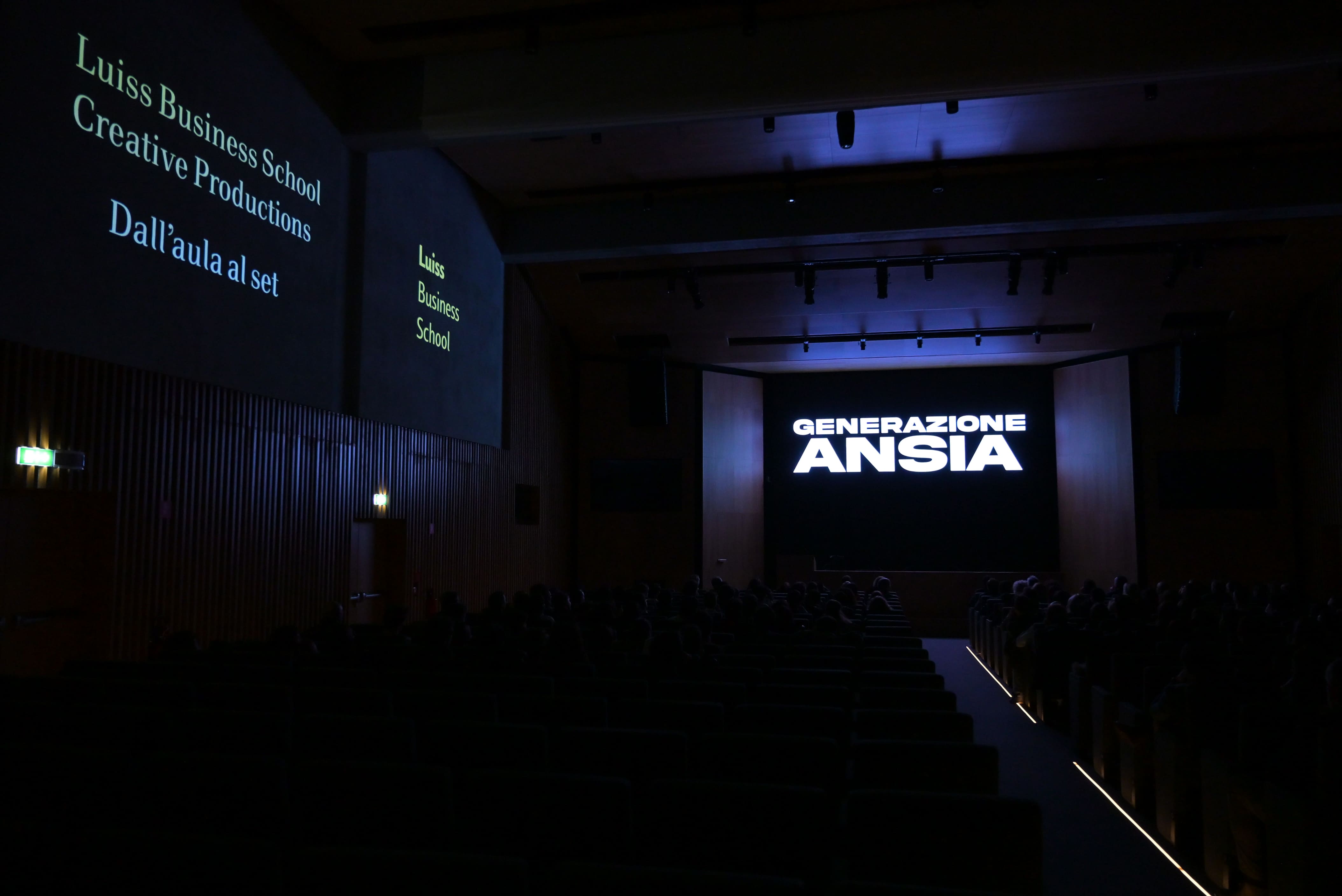
Al termine del Master, gli studenti presentano i propri concept per il pilot di una serie TV. Il progetto selezionato viene poi realizzato dagli allievi, in tutte le fasi editoriali, produttive e di post-produzione, con la supervisione di professionisti del settore e con il supporto
di una giuria di esperti che guida e valorizza lo sviluppo creativo.
Con un placement rate del 100%, una faculty di caratura internazionale e la solidità di un network di partnership aziendali, la formazione full-time Luiss Business School ha l’obiettivo di trasmettere competenze avanzate e immediatamente applicabili, agevolando l’upskilling e accelerando la crescita professionale e personale di giovani professionisti e neolaureati.
Scrivici per prenotare una sessione di orientamento
e scopri il percorso più adatto alle tue ambizioni!
© Luiss Business School Spa “a socio unico” n. iscr. Registro Imprese Roma / p.iva /c.f. 16656061005, capitale sociale i.v. 30.000.000,00 euro.
Villa Blanc, Via Nomentana, 216 - 00162 Roma | Tel. +39 06 85 22 51 | Email: luissbs@luissbusinessschool.it | Informativa sul trattamento dei dati di navigazione | Cookie policy
Under the Skin is not a better film because it is more entertaining. It is a better film because it is more honest. It rejects the narrative condescension of Hollywood (“Don’t worry, we’ll explain everything”). It rejects the moral safety of mainstream horror (“The monster is bad, the humans are good”). It rejects the visual chaos of modern blockbusters (every frame is composed like a painting by Francis Bacon).
The film is often viewed through the lens of gender, identity, and the "female gaze." under the skin film better
Rather than a literal translation, the film captures the "essence" of the book while standing as its own masterpiece of cinematic art. Cinematic Innovation and the "Hidden" World Under the Skin is not a better film
Critics often praise the film for its "purely cinematic" approach, stripping away exposition to immerse the viewer in an alien's perspective. Atmospheric Minimalism It rejects the moral safety of mainstream horror
Glazer shot much of the film with hidden cameras in real Scottish streets, using non-actors who genuinely interacted with Johansson. This documentary-style realism clashes violently with the film’s abstract, nightmare logic. The gray, wet highlands become as alien as the void planet in 2001 . The gritty realism of a Glasgow shopping center becomes more unnerving than any CGI planet.
One of the most astonishing production choices in the film—and the primary reason it feels more “real” than any scripted movie—is Glazer’s decision to use hidden cameras and non-actors for the van sequences.
The film is often cited as "better" than mainstream sci-fi because it rejects genre tropes.